
After more than ten years working as a gameplay systems designer, I’ve watched gaming evolve from something people squeezed into their spare time into something that shapes how they spend it. The growth didn’t feel sudden from inside the industry—it felt like a series of small shifts that eventually stacked on top of each other. If you want a solid outside perspective on that rise, this useful resource lines up closely with what I’ve experienced firsthand.
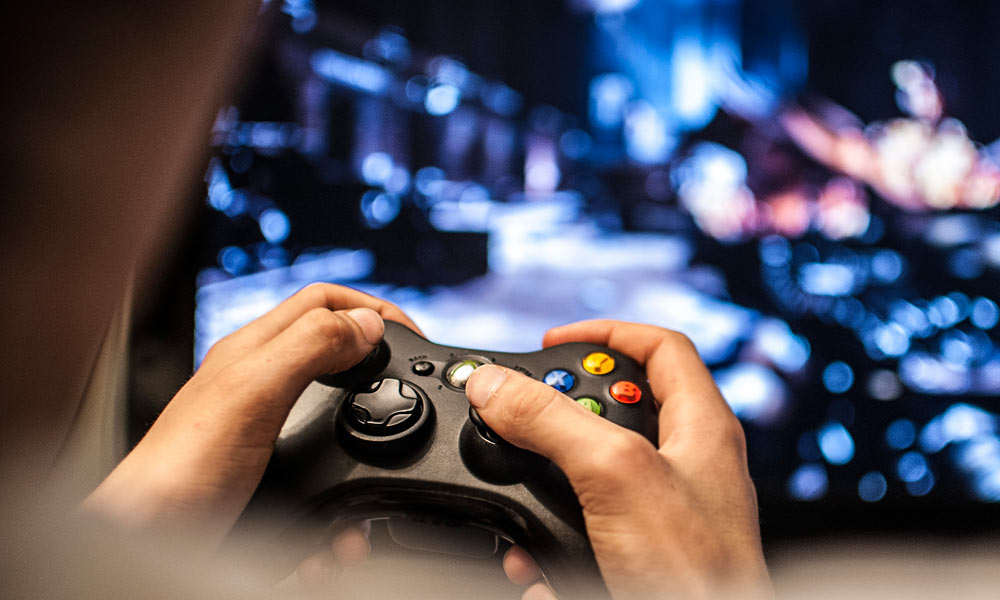
One of the earliest signs things were changing came during a project I worked on that targeted a broader, more casual audience than we were used to. During testing, we brought in people who didn’t consider themselves “gamers.” I remember one participant—someone who said they mostly watched TV in their free time—gradually getting pulled in. At first, they hesitated with the controls. Then they started experimenting. By the end of the session, they were asking if they could keep playing after we wrapped.
That kind of conversion used to be rare. Now it’s common.
I’ve found that accessibility is the biggest driver behind that shift, but not in the way people usually mean. It’s not just about cheaper hardware or free-to-play models—it’s about how quickly someone can feel competent. Early in my career, we built systems assuming players would invest time learning them. These days, if someone doesn’t feel comfortable within the first few minutes, they’re gone.
I saw this play out very clearly while consulting on a game that initially struggled to retain new players. The mechanics weren’t the problem—we had solid feedback from experienced testers. The issue was the first fifteen minutes. Too many prompts, too many systems introduced too quickly. We scaled it back, focused on one core interaction, and let everything else unfold later.
Engagement improved almost immediately.
Another piece of the puzzle that doesn’t get enough attention is how gaming fits into people’s routines now. I remember a stretch of time when I was helping monitor community feedback for a live game. What stood out wasn’t complaints or praise—it was how players described their habits. Logging in after work. Playing during lunch breaks. Coordinating sessions with friends across time zones.
Gaming had stopped being an isolated activity and started becoming part of daily structure.
I saw a more personal version of this when I helped a relative pick out their first console. They weren’t particularly tech-savvy and were worried it would be complicated. We set it up together, chose a simple game to start, and within a week they had built a routine around it. Not long sessions—just consistent ones. That consistency is something I didn’t see nearly as often ten years ago.
Of course, not all of this growth has been handled well. One mistake I’ve seen repeatedly—both from developers and players—is confusing engagement with enjoyment. I’ve worked on features designed to bring players back every day, and while they succeed at that, they don’t always make the experience better. Sometimes they turn play into obligation.
I’ve had conversations with players who felt stressed about keeping up with a game. That’s a signal something’s off.
If there’s one thing I’ve learned after years in development, it’s that the games people stick with aren’t necessarily the biggest or the most complex. They’re the ones that fit naturally into their lives. Games that are easy to return to, easy to understand, and rewarding without demanding too much upfront.
Gaming didn’t explode because of one breakthrough. It grew because it became easier to enter, easier to share, and easier to make part of everyday life. I’ve watched that shift from inside development teams, through testing rooms, and in casual conversations with people who never thought they’d pick up a controller.