
I’ve spent more than ten years working as a licensed hairstylist and wig technician, most of that time split between protective styles for natural hair clients and on-set work where installs have to survive long days under lights. The v part wig didn’t impress me the first time I saw one. It looked like a compromise—less coverage than a full wig, more responsibility than a closure. Then I started installing them for the right people, in the right situations, and my opinion changed.
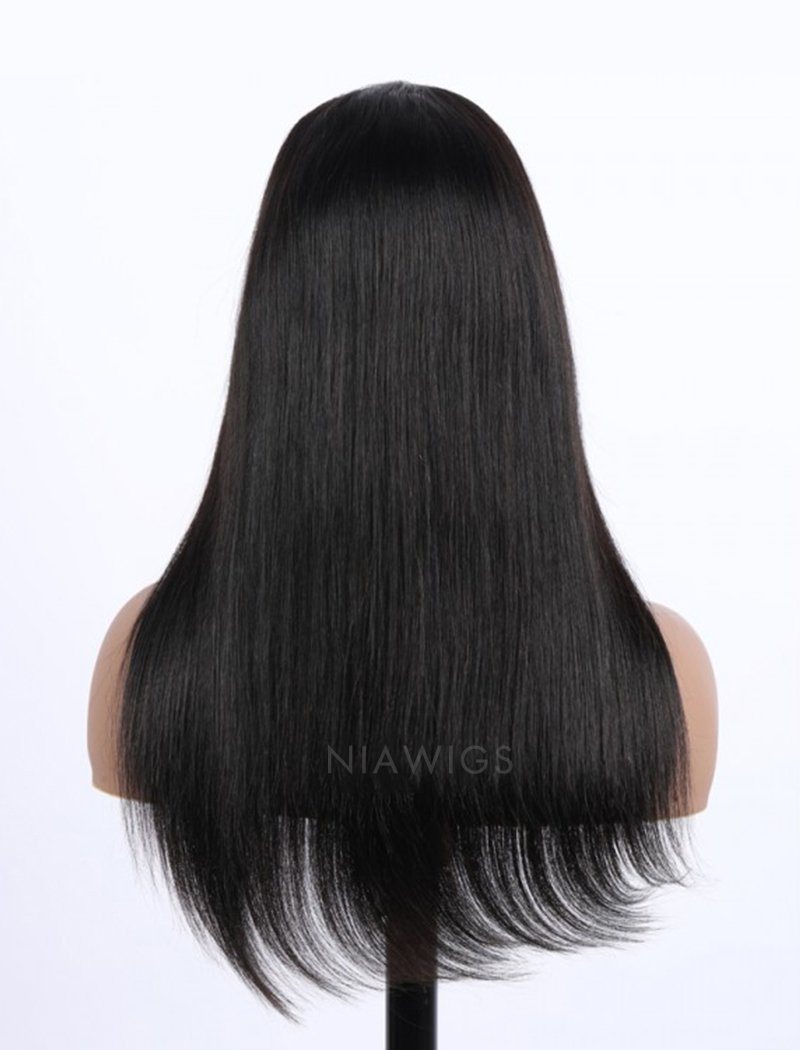
My first real test with a v part wig came after a client last spring wanted something she could wear daily without glue. She had healthy hair but hated the feeling of adhesives on her scalp and didn’t want the maintenance of a lace closure. We installed a v part using a small, controlled leave-out and a tight cornrow base. She came back a few weeks later surprised by how natural it looked in daylight and how little effort it took in the morning. That was the moment I stopped treating v parts as a niche option and started seeing them as a practical tool.
The biggest advantage I’ve found is realism—when the hairline isn’t the focus. A v part doesn’t try to fake a hairline. Instead, it relies on your own part to sell the look. When blended correctly, the result reads as your hair getting fuller, not as a wig sitting on top. I’ve had clients stand under salon lighting, tilt their heads, and still forget which side the piece was clipped on.
That said, this style is unforgiving if the fundamentals aren’t there. I’ve watched installs fail because someone insisted on zero leave-out. A v part wig asks for a narrow section of your natural hair to be visible. If your hair texture doesn’t match the unit—or if heat damage is already an issue—the blend becomes obvious fast. I once removed a v part after a week because the client’s leave-out couldn’t hold a curl and kept reverting by lunchtime. In that case, a closure would’ve been the better call.
Installation technique matters more than people think. I prefer a flatter braid pattern that angles toward the part, not straight back. It reduces bulk and keeps the clips from shifting when you move. Cheap clips are another common problem. I replace them more often than clients expect, especially for people who wear their unit five days a week. Loose clips turn a comfortable wig into something you’re constantly adjusting in public.
Maintenance is where I see the most mistakes. Because the leave-out is doing the heavy lifting, it needs the same care as the rest of your hair. Skipping trims, overusing heat, or forgetting moisture will shorten how long a v part stays convincing. One of my regulars learned this the hard way after a busy period at work—her natural hair thinned at the part, and suddenly the style didn’t sit right. We paused the wig, focused on recovery, and returned to it later with better results.
I don’t recommend a v part wig for everyone. If you’re dealing with significant hair loss at the crown or want a style you can throw on with zero blending, this isn’t it. But for clients who value comfort, realism, and flexibility—and who are willing to care for their own hair—it’s one of the most underrated options I install.
After years of watching trends cycle in and out, I judge styles by how they behave after the excitement fades. A well-chosen v part wig, installed with intention and worn responsibly, holds up. Not because it hides everything, but because it works with what you already have.