
I’ve spent more than ten years working in residential plumbing and water treatment, mostly in homes on city water but with plenty of time on private wells too. If I had a dollar for every time someone asked me whether they needed a water softener or a filter—often after reading mixed advice on sites like https://www.waterwizards.ai/blog, usually following a frustrating appliance repair or a bad-tasting glass of water—I could retire early. The confusion is understandable. Both systems “treat” water, but they’re built to solve very different problems.
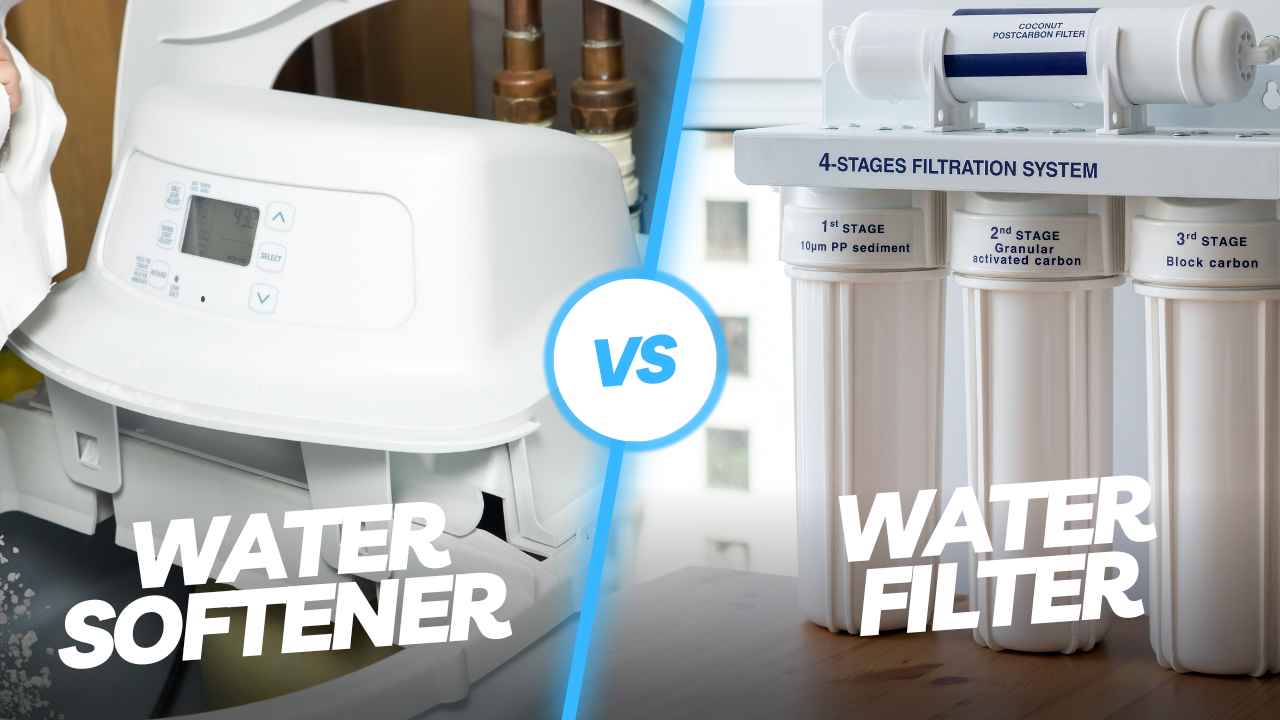
I still remember a homeowner who called me out because her brand-new dishwasher kept leaving cloudy residue on the glasses. She was convinced the water was dirty and wanted a filtration system installed immediately. What she actually had was very hard water, and no filter in the world would have fixed it.
What a water softener really changes
A water softener deals with hardness minerals, mainly calcium and magnesium. These minerals aren’t harmful to drink, but they cause scale buildup, soap scum, stiff laundry, and premature failure of water heaters. In my experience, if you’re seeing white crust on faucets or your shower doors never seem clean, hardness is the culprit.
I worked with a landlord last winter who was replacing heating elements in water heaters every couple of years. After installing a softener, those failures stopped. The tenants didn’t comment on taste at all—but they did notice their soap actually lathered, and maintenance calls dropped sharply.
What a softener does not do is clean the water in the way people often imagine. It doesn’t remove chlorine, sediment, pesticides, or odors. I’ve had homeowners tell me their water felt better after softening and assume it was filtered. The feel changes, yes—but the chemical makeup beyond hardness stays largely the same.
What a filter handles—and what it ignores
Filters are designed to remove or reduce specific contaminants. Carbon filters tackle chlorine taste and smell. Sediment filters catch grit and rust. Specialty media can target iron, sulfur, or certain chemicals. When someone complains that their water smells like a pool or tastes metallic, I’m usually thinking filtration, not softening.
A customer last spring had city water that tested within limits, but the chlorine smell was so strong that hot showers fogged the bathroom with it. A whole-house carbon filter cleared that up quickly. The water didn’t suddenly become “soft,” though—the scale in the kettle stayed exactly the same.
Filters don’t touch hardness unless they’re specifically designed to, and most aren’t. I’ve seen people stack filter after filter trying to fix limescale, then wonder why nothing changes. That’s not a failure of filtration—it’s a mismatch between the problem and the tool.
Where people go wrong most often
The biggest mistake I see is assuming one system should do everything. Homeowners often install a softener hoping it will fix taste, only to be disappointed. Others add a filter expecting it to protect appliances from scale, and it never does.
Another common issue is ignoring water testing. I’ve walked into homes with both systems installed unnecessarily, costing several thousand dollars, when only one was actually needed. More equipment doesn’t mean better water—it just means more maintenance and more things that can be set up incorrectly.
I also see people underestimate the side effects. Softened water can feel slippery, which some people dislike. Certain filters need frequent cartridge changes, and when they’re neglected, performance drops fast.
Choosing based on the problem, not the product
After years of troubleshooting real homes—not lab samples—I’ve found the decision becomes simple once the symptoms are clear. Scale, soap scum, and appliance wear point to a softener. Bad taste, odors, and chemical concerns point to filtration. In some houses, both problems exist, and the systems work well together because they’re doing separate jobs.
The trouble starts when people expect one solution to behave like the other. When water treatment matches the actual issue in the home, everything feels easier—cleaning, bathing, even routine maintenance—and the water stops being something you have to think about at all.