
The Havanese temperament is often described as cheerful, outgoing, and highly affectionate, making this breed a superb companion. Originating in Cuba, these small but sturdy dogs are known for their lively gait, silky coat, and deep desire to be near their human families. Far from being a mere lapdog, the Havanese is an intelligent, trainable breed whose emotional well-being is intrinsically linked to positive social interaction. Understanding and catering to their specific temperamental needs is key to a successful, lifelong partnership.
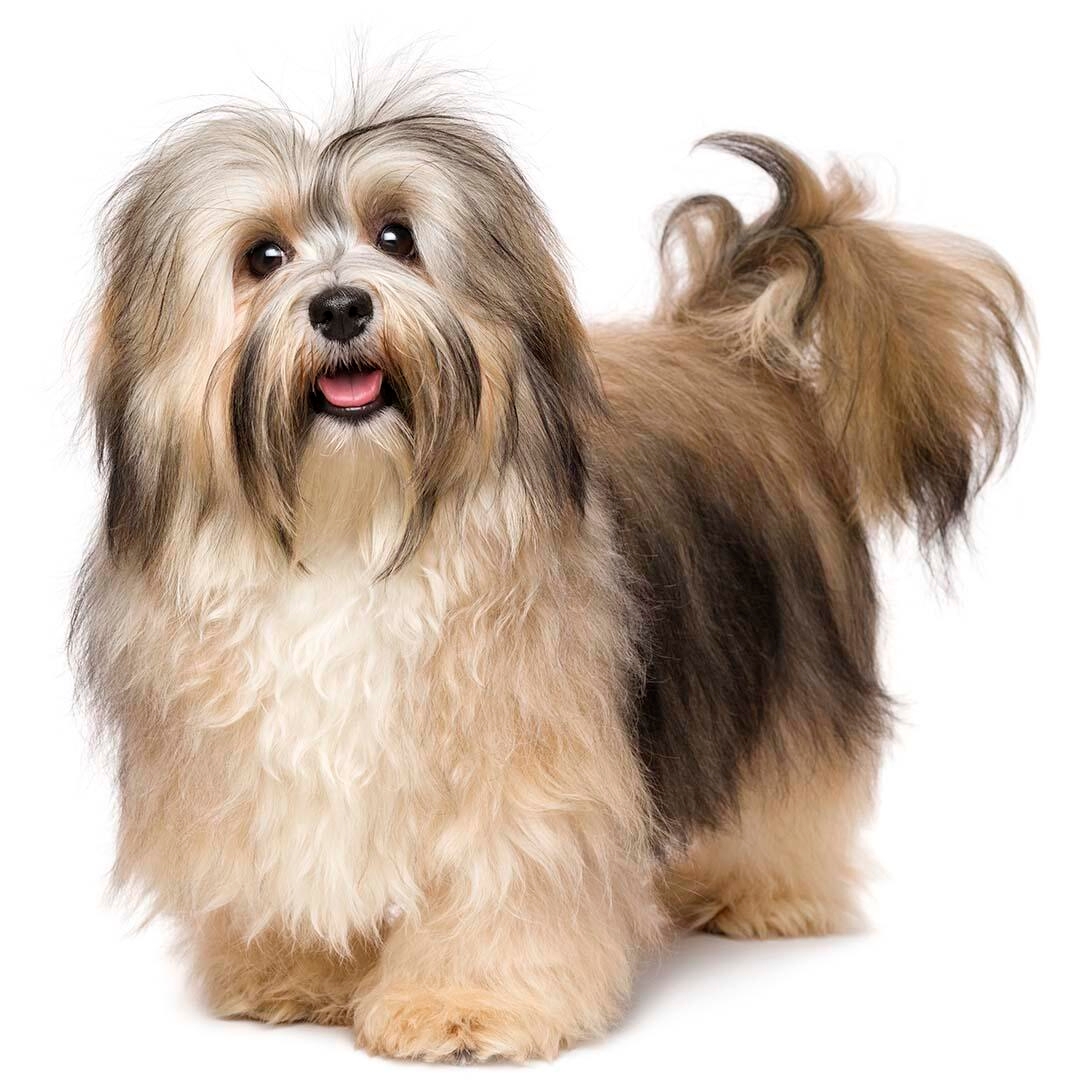
Key Temperamental Traits
The defining characteristics of the Havanese make them distinct and endearing.
-
Affectionate and Companionable: This breed thrives on human interaction and is prone to separation anxiety if left alone for long periods. They are true “Velcro dogs” and are happiest when involved in family activities.
-
Intelligent and Eager to Please: Their sharp minds make them quick studies in obedience and trick training. They generally respond very well to positive reinforcement.
-
Playful and Lively: Despite their small size, Havanese are active and enjoy short bursts of play, walks, and participation in dog sports like agility. They retain a puppy-like demeanor well into adulthood.
-
Excellent with Children and Other Pets: Their gentle nature generally makes them wonderful family dogs. However, due diligence is required—children must be taught how to interact respectfully with a small dog.
-
Vocal Tendencies: While not excessive barkers, they can be alert dogs and may bark to signal a perceived threat or arrival. Early training is essential to manage this trait.
Building Trust Through Ethical Training: E-E-A-T Principles
Credibility in dog ownership and training revolves around Expertise, Experience, Authority, and Trustworthiness (E-E-A-T). When approaching Havanese training, this means using scientifically proven, humane, and transparent methods.
✅ Training Checklist for the Havanese
| Aspect | Actionable Step | Compliance Focus |
| Early Socialization | Expose the puppy (age 3-16 weeks) to a wide variety of sights, sounds, people, and safe, vaccinated dogs. | Experience: Broadening the dog’s worldview to prevent future fear or aggression. |
| Crate Training | Introduce the crate as a safe den, never as punishment. Use positive association (treats, toys). | Trustworthiness: Providing a secure, den-like space aids in house-training and anxiety management. |
| House-Training | Maintain a strict, predictable schedule. Reward immediately upon eliminating outside. | Expertise: Utilizing positive reinforcement principles for reliable results. |
| Bark Management | Train an “Enough” or “Quiet” cue. Identify the cause of the barking (alert, boredom, attention). | Authority: Establishing clear boundaries through non-punitive, consistent methods. |
🚫 Anti-Spam/Automation Policy: We strictly advise against relying on quick-fix gadgets, shock collars, or purely automated training programs. Training requires active human-to-dog engagement, patience, and consistency. There is no substitute for positive, direct interaction.
🛠️ Actionable Steps for Management and Care
Given their unique temperament, the Havanese require specific daily management.
1. Preventing Separation Anxiety
This is the most critical temperamental challenge for the Havanese.
-
Practice Short Absences: Start with 1-2 minutes and gradually increase the time you are out of sight.
-
Use Enrichment Toys: Give them a special puzzle toy or treat-stuffed KONG only when you leave. This changes the association with your departure.
-
Avoid Emotional Goodbyes: Keep departures and arrivals calm and low-key to prevent heightening their anxiety.
2. Coat and Grooming Guarantee
While related to their physical traits, the coat management directly impacts their comfort and cooperation during handling, a key aspect of their temperament.
-
Included: Daily brushing to prevent matting, professional grooming every 4-8 weeks.
-
Excluded: A low-maintenance coat. This is a high-maintenance grooming breed. Neglect causes pain and can lead to behavioral issues during handling.
3. Copy-Paste Template: Positive Training Phrase
Use this consistently to build a foundation of trust and obedience.
“Yes!” [Give high-value treat] “Good [Dog’s Name]! That’s a good sit!”
-
Why it works: The word “Yes!” acts as a marker signal, pinpointing the exact moment the dog performed the desired behavior, creating a clear line of communication.
⚖️ Comparison: Havanese vs. Other Small Breeds
| Feature | Havanese | Maltese | Cavalier King Charles Spaniel |
| Temperament Focus | Highly companionable, playful | Gentle, quiet, devoted | Affectionate, adaptable, friendly |
| Separation Anxiety Risk | High | Moderate to High | High (Needs constant companionship) |
| Trainability | High, intelligent, eager | Good, but can be stubborn | Very High, eager to please |
| Barking Tendency | Moderate (alert barker) | Low | Low |
❓ FAQ: Havanese Temperament
Q: Are Havanese good for first-time dog owners?
A: Yes, provided the owner understands the commitment to their grooming and companionship needs. Their high trainability and eager-to-please nature make the learning curve manageable.
Q: Can a Havanese be left alone for a standard workday?
A: No. Havanese are prone to separation anxiety. They are best suited for households where someone is home most of the day or with owners who can take them to work or utilize dog-sitting services.
Q: Are they yappy?
A: They are alert barkers, meaning they will announce visitors or unusual noises. They are not typically incessant or yappy without cause, but early boundary training is vital.
The Havanese is a highly desirable dog whose temperament demands an equal level of commitment and affection. By adhering to positive, ethical training methods and ensuring consistent companionship, owners can fully enjoy the joyful and robust personality of this unique breed.